



Cybersecurity in Rail: When Connectivity Creates New Security Requirements

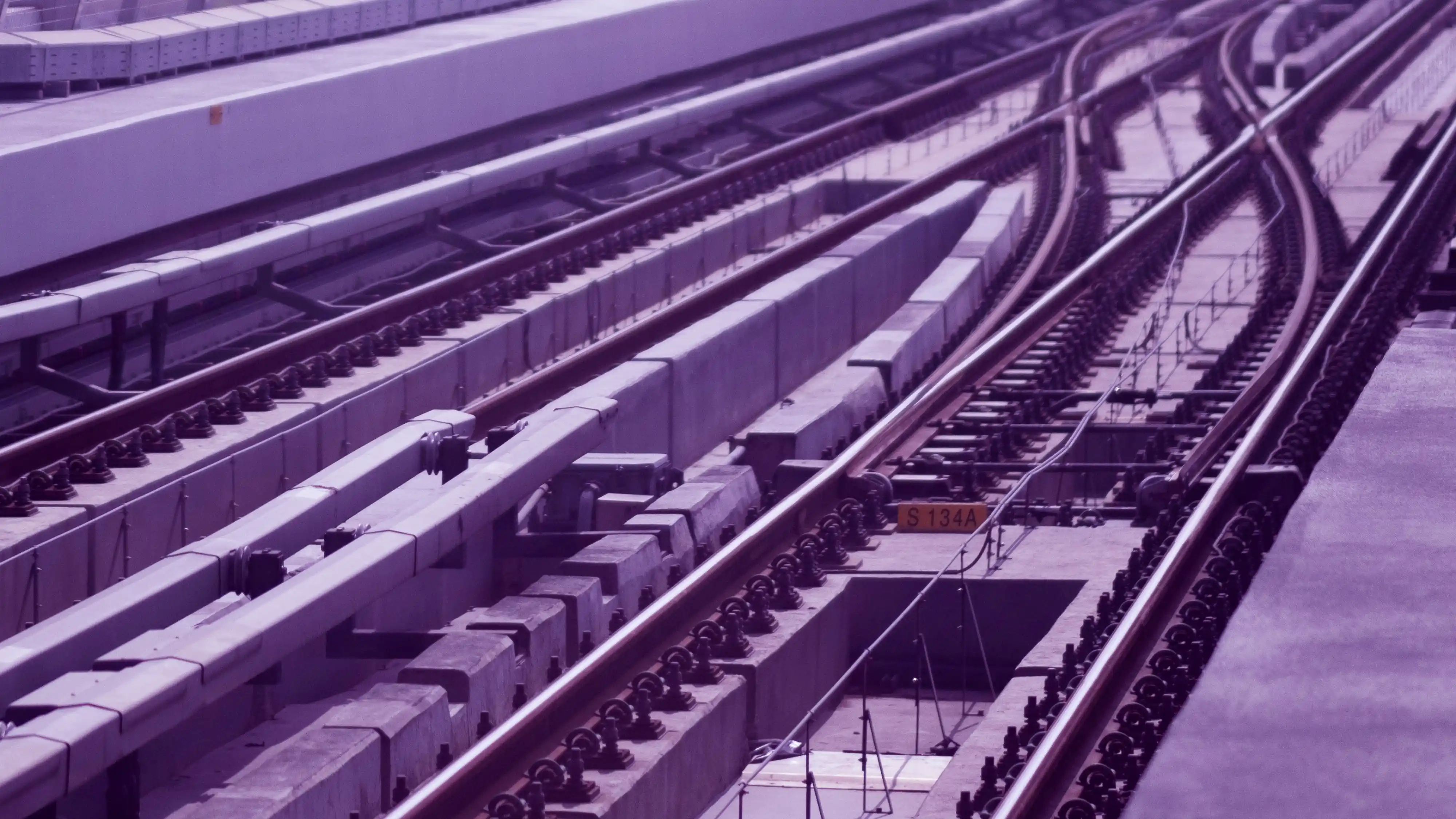
Cybersecurity in Rail: When Connectivity Creates New Security Requirements
Secure Digitalisation in Rail: Cybersecurity Throughout the Entire Lifecycle
Digitalisation is fundamentally transforming the rail sector. Connected vehicles, digital signalling and control systems, as well as increasingly data-driven operations and maintenance processes, are creating new opportunities while simultaneously increasing cybersecurity requirements.
In the rail environment, this challenge is particularly complex, as modern digital solutions interact with sophisticated technical infrastructures whose lifecycles are often significantly longer than those of the IT components they incorporate. At the same time, availability, reliability and safety must be maintained throughout. Cybersecurity therefore cannot be considered in isolation but needs to be integrated into existing engineering, safety and lifecycle processes.
When IT and OT converge
As vehicles, signalling and control technology, operational systems and external services become increasingly interconnected, new interfaces between IT and Operational Technology are emerging. These interfaces require particular attention, as cybersecurity requirements can have a direct impact on system architecture, development, validation and, later in the lifecycle, maintenance and updates.
This approach is also reflected in relevant industry standards. CLC/TS 50701 applies principles from the IEC 62443 series to the railway sector and integrates cybersecurity into the lifecycle framework established by EN 50126. It follows a risk-based approach and addresses cybersecurity activities from the concept and design phases through risk analysis and requirements to assurance and operation.
For organisations in the rail sector, this means that cybersecurity should not be treated as an additional assessment at the end of the development process. The earlier security requirements are considered, the more effectively they can be integrated into the technical architecture and aligned with existing safety requirements.
“The future of the rail sector will not be determined by new technologies alone. What matters is how successfully we bring digitalisation, security and reliability together.”
Abdullah Ahad, Senior Partner & Sector Lead Rail & Defence, Scalian Germany
Cybersecurity throughout the entire lifecycle
At Scalian Germany, we support organisations in systematically integrating cybersecurity into their rail projects and development processes. Rather than focusing on individual technical measures, we consider the interaction between risk analysis, secure system architecture, development and validation processes, as well as the relevant standards and regulatory requirements.
Depending on the project phase, this may involve analysing cybersecurity risks and protection needs, integrating security requirements into system development, or establishing suitable approaches for validation and evidence management.
This allows us to combine technical cybersecurity expertise with an understanding of the specific challenges of the rail industry. After all, security measures not only need to be effective; they also need to integrate into existing systems, processes and lifecycle structures.
“Cybersecurity in the rail sector is not only about preventing attacks. It is about ensuring the long-term reliability of critical infrastructure. Security must be part of the system architecture from the very beginning rather than being added as an afterthought.”
Aaron Machmer, Manager & Expert Cybersecurity, Scalian Germany
Cybersecurity therefore becomes an integral part of resilient rail systems, from the first architectural decisions through development and validation to long-term operation.